
The Miracle Behind the Invisible: World-Class Embryology
Everything that determines whether your IVF treatment succeeds happens in the laboratory — in the hours and days you cannot see. Here is how we make those invisible moments count, and why our approach is unlike any other clinic in the world.
Why the Laboratory Matters More Than Anything
The laboratory is where eggs become embryos, where quality is assessed, and where the decisions are made that shape your chances of pregnancy. At HOPE, we believe that the expertise of world-class embryologists and a laboratory built around advanced science are the single most important factors behind our results.
Our Unique Approach: Seeing What Others Cannot
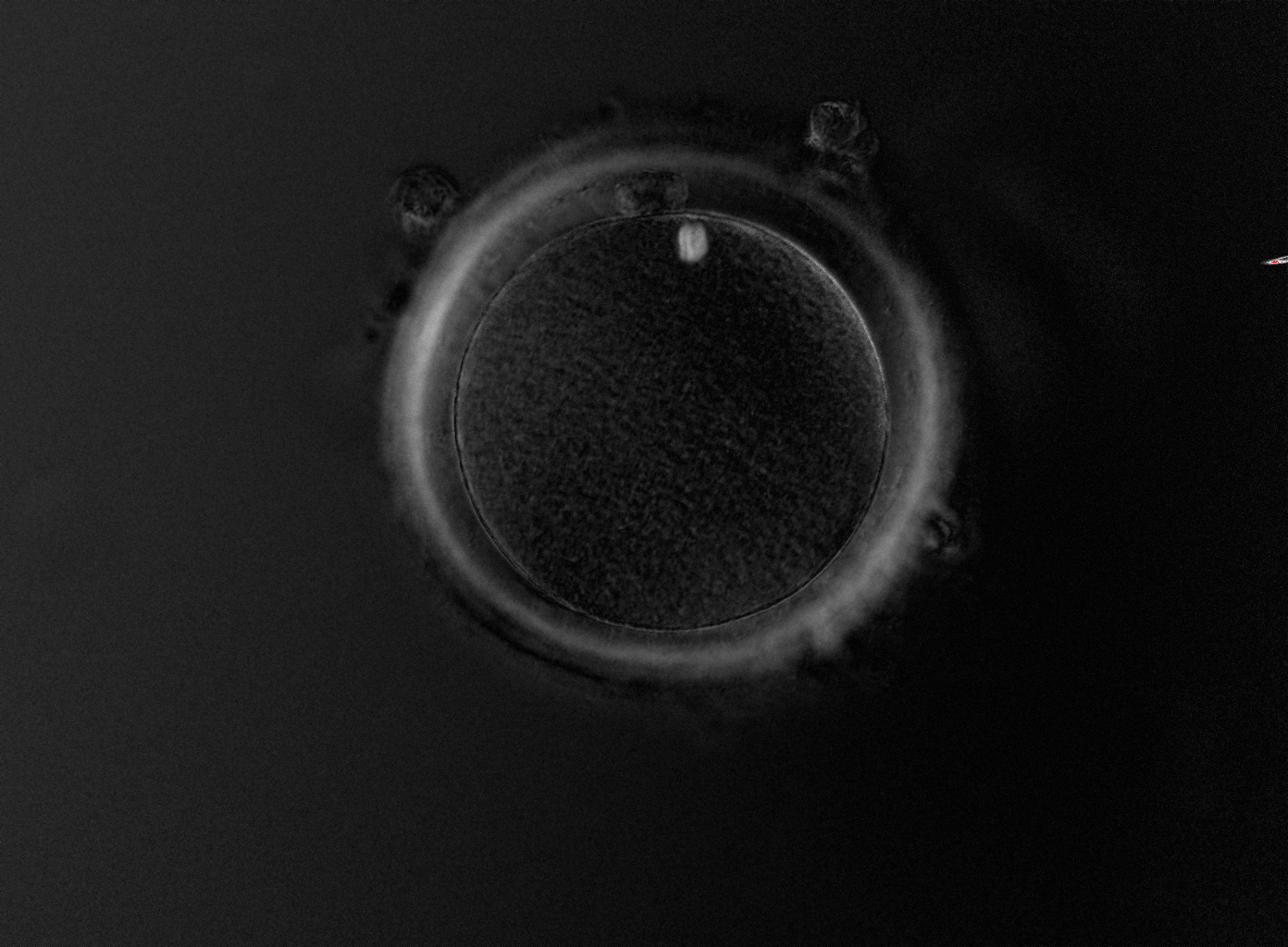
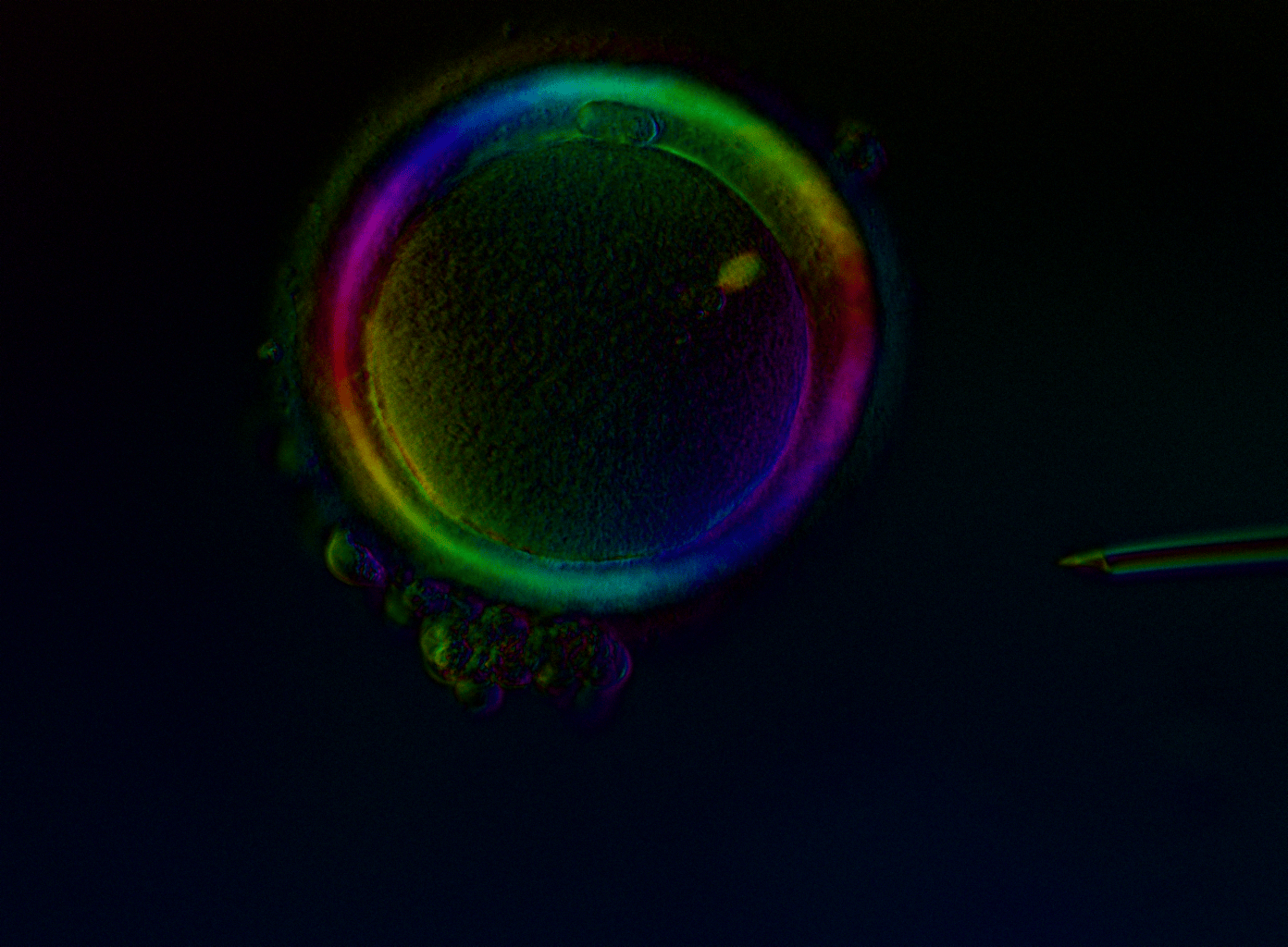
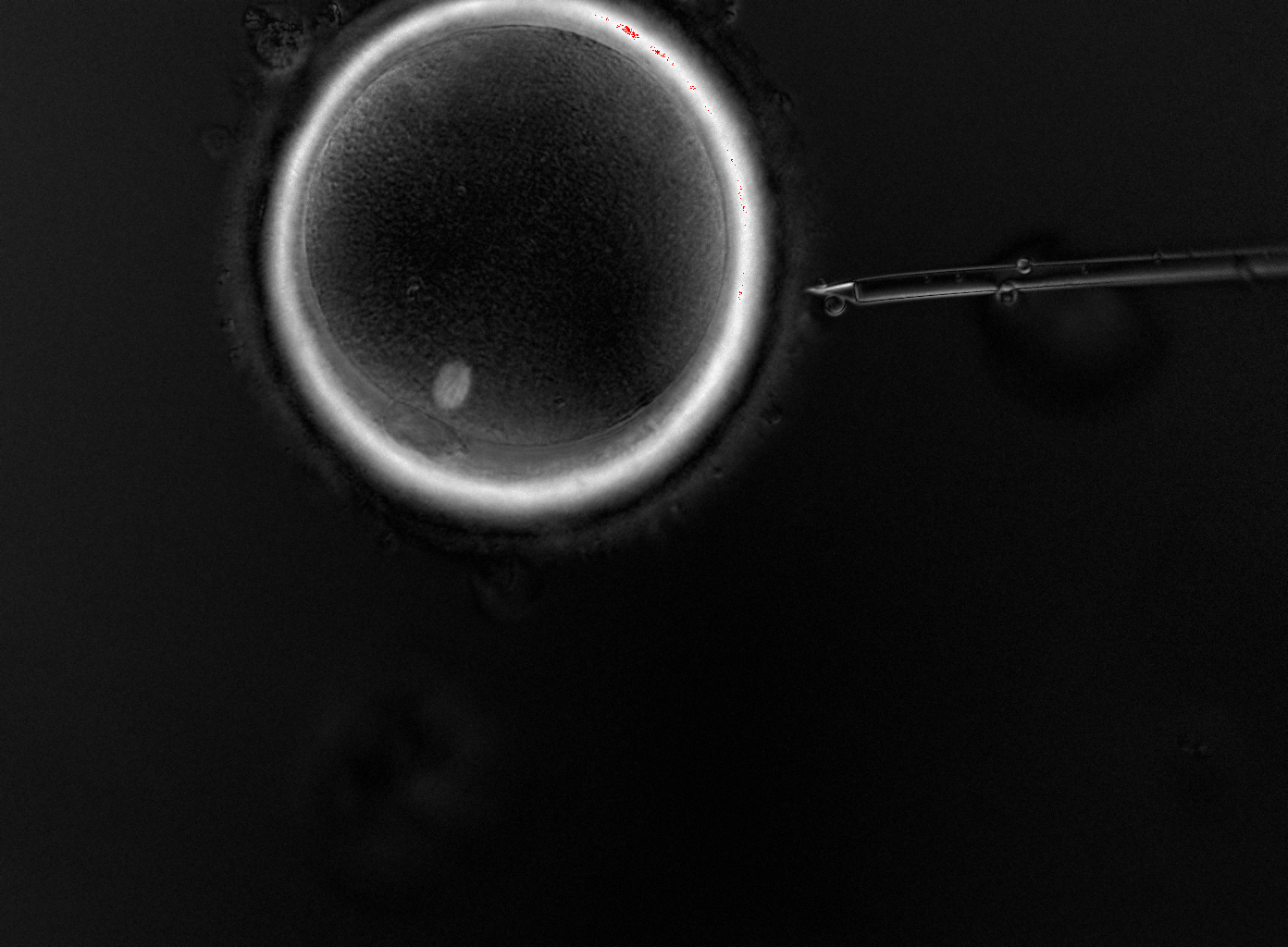
HOPE is the only laboratory that examines every single oocyte using polarised light microscopy before any clinical decision is made—whether for injection, freezing, or treatment planning. This is not an optional add-on; it is our standard of care for every patient.
What is polarised light microscopy?
Standard microscopy shows you what an egg looks like on the outside. Polarised light microscopy (Oosight™ Meta technology) reveals what is happening inside — specifically, the meiotic spindle, the structure where the egg's genetic material is organised.
This tells us whether an egg is truly mature at the genetic level, not just visually. It also allows us to assess the zona pellucida (the egg's protective shell) to evaluate the egg's developmental potential.
Why this changes everything
In every IVF cycle, not all collected eggs are equal. Some appear mature under a standard microscope but are not yet ready at the genetic level. Others look similar on the surface but have very different potential to develop into a healthy embryo. With standard microscopy alone, selecting the best eggs for fertilisation is largely based on external appearance — a limited picture.
With polarised light microscopy, we go deeper. We identify which eggs are genuinely mature, which have the strongest developmental potential, and which should be prioritised for fertilisation. This means we work with the best possible starting material from the very first step — and that single advantage cascades through every subsequent stage of your treatment, from fertilisation to blastocyst development to transfer.
If you are undergoing IVF with your own eggs: We select only the eggs with the highest potential for your limited fertilisation slots. This is why our fertilisation rate is 94% and our complete fertilisation failure rate is just 0.1% — because we don't waste your precious egg allocation on cells that were never going to succeed.
If you have low ovarian reserve or concerns about egg quality: Years of examining every oocyte with this technology have given us knowledge that no published textbook contains. We have built a unique understanding of how oocyte quality relates to treatment decisions — information that helps your doctor decide whether to proceed with fertilisation now, or perhaps to collect oocytes across two stimulation cycles first and then fertilise together, maximising your chances from a single combined cohort. These are decisions other clinics simply cannot make, because they cannot see what we see.
If you are freezing your eggs for the future (social freezing or fertility preservation): We don't simply freeze everything we collect and hope for the best. We examine every oocyte before vitrification, so you know that the eggs being stored for your future are eggs with real potential — not just a number on a consent form. We will inform you and guide you on how many good-quality oocytes you have, so the frozen collection contains the necessary amount of viable eggs to give you the best possible outcome when you are ready to start your family.
Your Journey Through Our Laboratory
From the moment your eggs are collected to the moment an embryo is transferred, here is what happens — and how we apply the best global practices at every step.
Oocyte Assessment: The First Critical Decision
After egg collection, we immediately clean and assess every oocyte. Using polarised light microscopy, we evaluate each egg's true maturity and developmental potential — identifying the ones most likely to become healthy embryos. This is where HOPE's approach diverges from every other clinic: we make this assessment on every egg, every time, for every patient.
Sperm Preparation and Fertilisation
All fertilisation at HOPE is performed using ICSI — direct injection of a single sperm into the egg — which provides the highest fertilisation success rate. Infertility is not limited to one partner, and our laboratory is equipped with specialised techniques to address even the most complex forms of male infertility: from careful sperm selection based on morphology and laboratory assessment, to cell activators for cases of limited sperm motility, to surgical sperm retrieval (TESE/TESA) when sperm cannot be obtained through standard methods.
In accordance with the standards of the College of American Pathologists (CAP), we assess the prospects for your fertility treatment right from the start, during the standard semen analysis, and work with your consultant to plan the best approach.
Embryo Culture: 5–6 Days of Precision
All embryos are cultured for 5–6 days in incubators that replicate the natural environment as closely as possible, using the highest-quality culture media. Our incubators are equipped with time-lapse imaging and continuous monitoring — meaning we can observe fertilisation, cell division, and embryo development in real time without ever removing your embryos from their stable, controlled environment.
This technology allows us to assess each embryo's development parameters and select the most promising embryo for transfer — based on how it actually developed, not just how it looks at a single moment.
Vitrification: World-Class Freezing Expertise
All viable embryos not used in the first transfer are vitrified (ultra-rapidly frozen) for your future use. Our embryologists bring years of experience from international oocyte donor banks and hold some of the best thaw survival rates in the field — our thaw failure rate is just 0.9%, compared to an industry benchmark of 5–10%.
This expertise is especially important for patients in our social egg freezing programme: when your frozen eggs are thawed in the future, the quality of the original vitrification process determines whether those eggs will survive and develop into embryos.
Embryo Transfer: The Final Step
Together with your doctor, our embryologists perform the transfer of the selected embryo into the uterus. We prepare the embryo and remove it from the incubator only when the doctor has confirmed smooth access to the uterine cavity — minimising the time the embryo spends outside its controlled environment. When clinically indicated, we perform assisted hatching — a precise incision in the embryo's zona pellucida — to support implantation.
PGT-M: Genetic Testing for Monogenic Diseases
HOPE is a licensed laboratory in Malta authorised to perform preimplantation genetic testing for monogenic diseases (PGT-M) — testing embryos for nine specified severe genetic conditions when parents are confirmed carriers. We are proud to have achieved the first successful pregnancy in Malta's history following PGT-M. Our goal is to provide the most comprehensive range of technologies available under Maltese law to help every couple on their path to parenthood.
A Discovery Born from Daily Practice
When we introduced polarised light microscopy, our original goal was straightforward: select the best oocytes for injection and optimise fertilisation rates. What we discovered went far beyond that.
Years of examining every oocyte from every patient — thousands of eggs assessed under polarised light — have given our team a body of knowledge about oocyte quality, maturation patterns, and vitrification potential that, as far as we know, does not exist anywhere else. This is not published in textbooks, because no other laboratory has systematically applied this technology to every single patient.
This knowledge now informs the most crucial part of IVF treatment: the clinical decisions. How should you be stimulated? Should we fertilise now, or accumulate oocytes across cycles? Is your egg quality sufficient for your age, or does it suggest a different strategy? These are questions that drive outcomes — and we can answer them with data other clinics simply do not have.
“The technology was the starting point. But the real advantage is the knowledge we’ve accumulated by using it on every patient, every cycle, since the day we opened. That knowledge is what makes HOPE unique — and it’s what our patients benefit from every time they walk through our doors.”
— HOPE Embryology Team


